
Digital Marketing Skills: What Still Matters
In brief: Useful digital marketing is not one isolated tactic. It connects discoverability, paid reach, clear communication and reliable measurement around a real business goal.
What does digital marketing include?
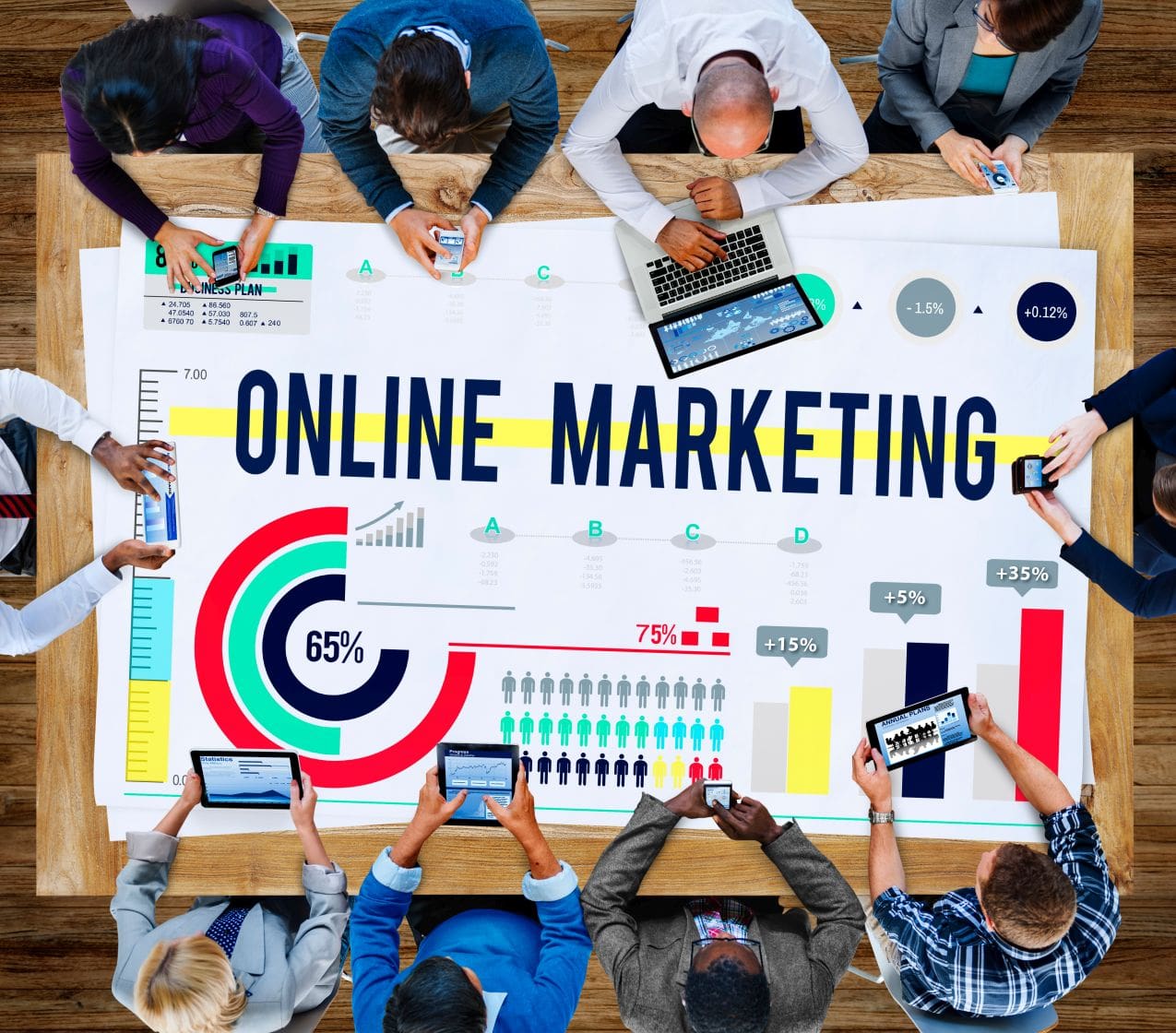
Digital marketing can include search engine optimisation, paid search, content, email, social media, marketplaces and other online channels. No business needs to use every channel. The right mix depends on the audience, offer, resources and time available.
My own service and training scope is narrower: SEO services, live online SEO training and live online Google Ads training. I do not present this as a course covering every branch of digital marketing.
Four skills that work together
1. Understand the audience and the purpose
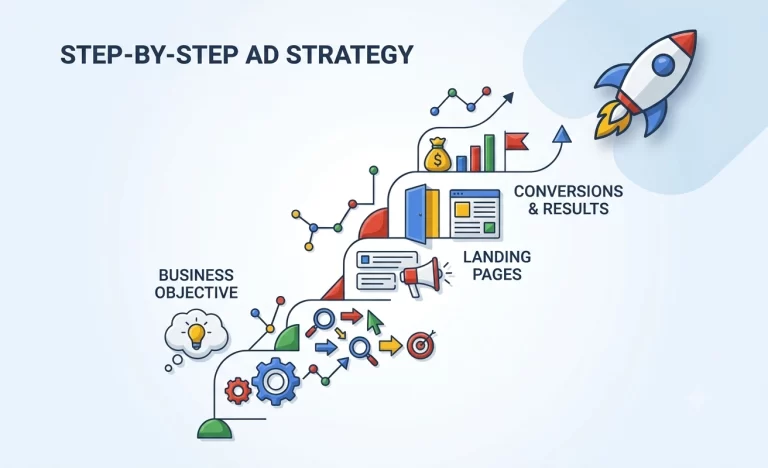
Start with the problem a person wants to solve and the action the business can realistically support. Traffic alone is not a strategy. A useful visit should lead towards information, an enquiry, a sale or another defined outcome.
2. Build discoverable, useful information
SEO helps search systems crawl, understand and present relevant pages. The work includes technical access, page structure, content quality, internal links and evidence-based improvement. These foundations also remain applicable to AI-assisted search experiences.
3. Use paid search with control
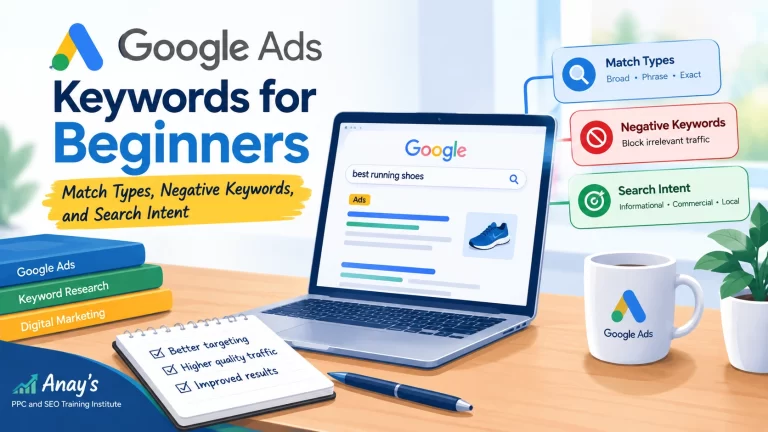
Google Ads can create immediate visibility for selected searches, but it needs appropriate targeting, useful landing pages, conversion measurement and budget control. Paid and organic search operate differently; one should not be described as a substitute for understanding the other.
4. Measure decisions, not vanity numbers
Reports should connect activity with meaningful outcomes. Impressions, clicks and rankings provide context, but the useful question is what they reveal about the audience, the page and the next decision.
Where does AI fit?
AI can assist with research, organisation, drafting and analysis. It can also produce inaccurate, generic or unsupported output. Use it transparently where appropriate, verify important claims and retain human responsibility for the final work.
Choose depth before breadth
A learner does not need to master every channel at once. It is often more practical to build sound foundations in one area, practise them and then understand how adjacent channels interact.
Explore live online SEO training or live online Google Ads training. A no-obligation pre-enrolment discussion can help determine whether either option fits your present needs.
Frequently asked questions
Is SEO the same as digital marketing?
No. SEO is one part of digital marketing. It focuses on organic discovery through search, while digital marketing can include paid advertising, email, social media and other channels.
Is Google Ads the same as PPC?
Google Ads uses pay-per-click and other charging models, but PPC is a broader field that can include several advertising platforms. My paid-advertising training is specifically limited to Google Ads.
Should a small business use every digital channel?
No. A smaller, well-managed channel mix is often more useful than spreading limited time and money across platforms without a clear purpose.
Can AI replace digital-marketing judgement?
No. AI can accelerate parts of the work, but goals, evidence, context, accuracy and accountability still require human judgement.
Awesome
Awesome
Good
Very good
Awesome
Good
Very good
Very good
Awesome
Very good